
Services
Air Compressors for the Food and Beverage Industry
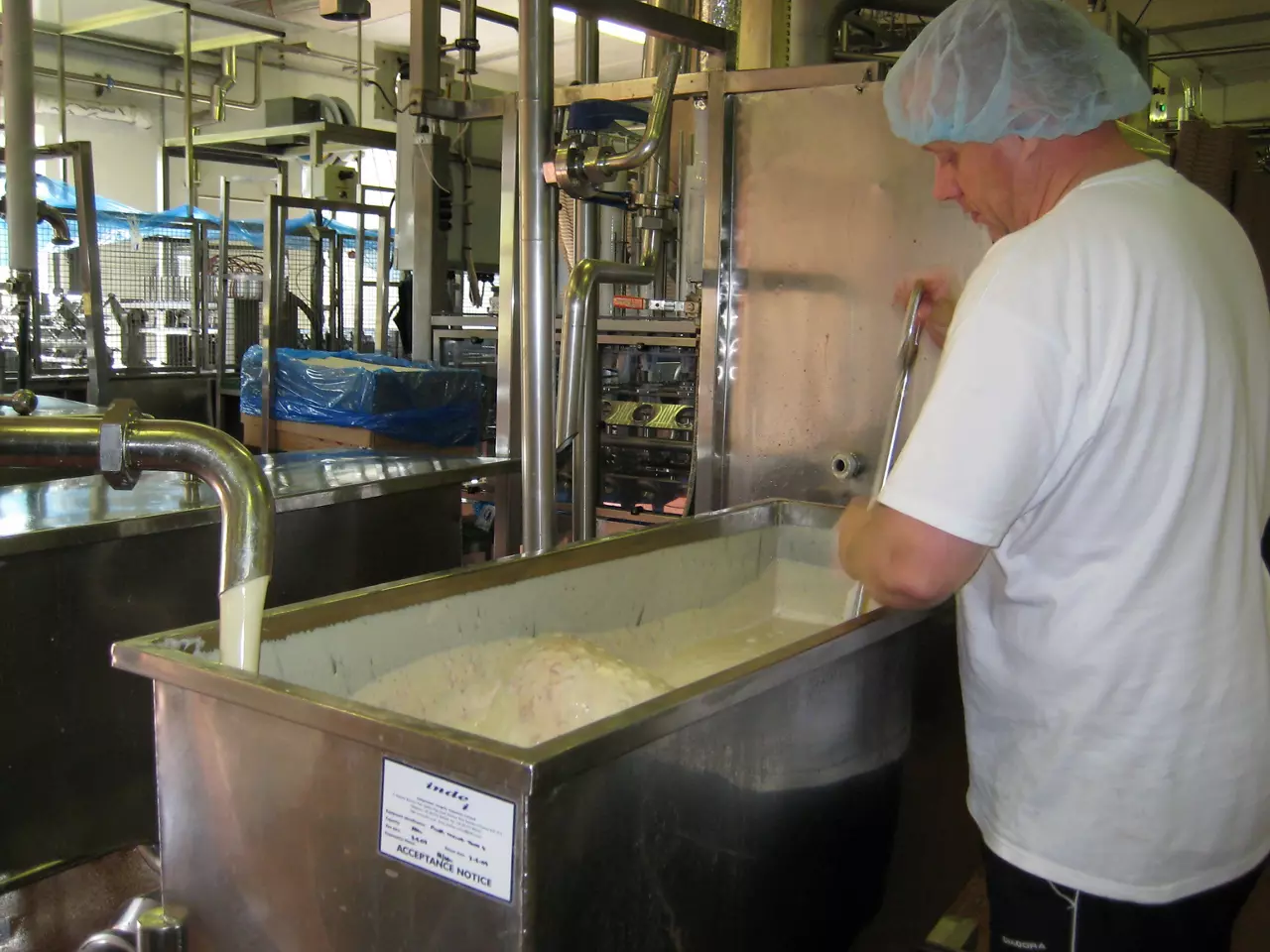
In the Food and Beverage Industry, compressed air is as vital as electricity, water, and gas, powering everything from pneumatic conveying to automated packaging. However, unlike these other utilities, compressed air quality isn’t guaranteed. A poorly specified compressed air system can compromise product safety, damage your brand through contamination risks, and reduce uptime due to energy inefficiencies.
We examine how to select, install, and maintain the compressed air required to meet the stringent requirements of the food and beverage industry, delivering guaranteed, absolute purity, auditable compliance, and maximum energy efficiency.

Why Air Purity is Non-Negotiable in Food and Beverage Production
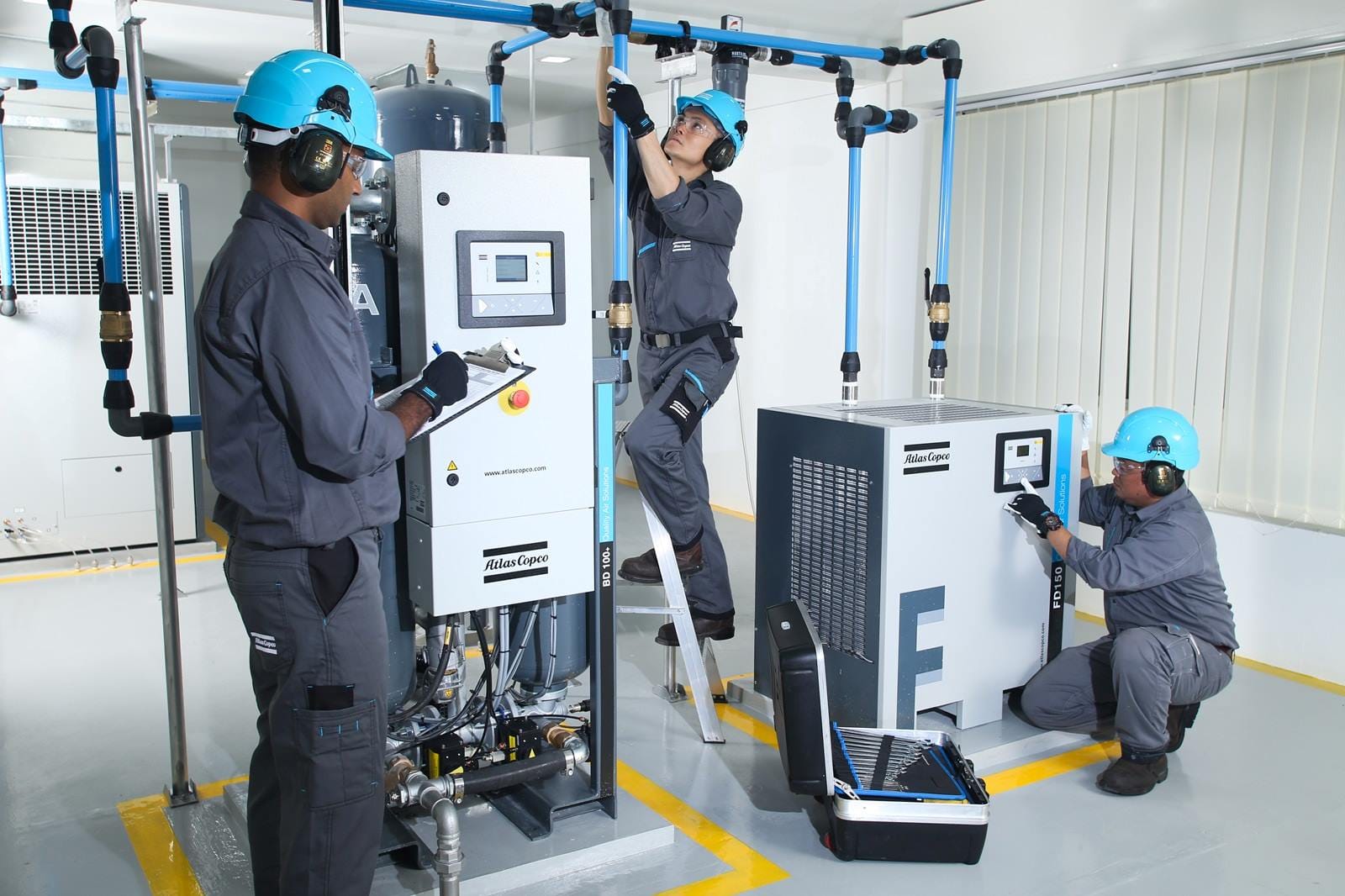
As air enters an Air compressor, it contains various contaminants that become concentrated during compression. Failure to remove these concentrated contaminants can lead to severe consequences for food and beverage manufacturers. These challenges can have a significant impact on product quality and brand reputation.
The main culprits are:
- Solids: Dust, rust, and pipe scale, which can physically contaminate product and which can damage sensitive pneumatic equipment.
- Water: Humidity in the form of liquid water and aerosols, which provide ideal conditions for damaging micro-organisms to breed and which also promote corrosion of pipework.
- Oil: Carryover from compressor lubricants or hydrocarbon vapours from ambient air can spoil the taste and odour of products, leading to entire batches being rejected.
- Micro-organisms: Bacteria, yeasts, and moulds, which can be sucked into the compressor and then find themselves in a warm, moist environment in which to flourish. A single compressor can ingest large volumes of airborne microbes. Without sterile point-of-use filtration and a low pressure dew point (≤-40 °C) to inhibit growth, microorganisms can enter product contact air.
These contaminants lead to product spoilage, reduced shelf life, and serious health hazards for consumers. The resulting product recalls can be financially crippling and cause irreparable damage to your brand.
The Gold Standard of Air Purity: Understanding ISO 8573-1
To keep these problems under control, the industry relies on ISO 8573-1:2010, the international standards for compressed air purity. It has defined an obvious classification system for the three principal contaminants of concern: solid particles, water, and total oil content. Purity levels are designated using a three-digit code, such as [A:B: C], with each letter denoting a specific purity class.
| Purity Class | Max Particles per m³ (0.1-5.0 µm) | Water (Pressure Dew Point) | Total Oil (mg/m³) | Typical Use |
|---|---|---|---|---|
| Class 0 | As specified by the user & more stringent than Class 1 | As specified by the user & stricter than Class 1 | As specified by the user & more stringent than Class 1 | Critical Food Contact |
| Class 1 | ≤20,410 | -70°C | ≤0.01 | High-Risk Food/Pharma |
| Class 2 | ≤406,100 | -40°C | ≤0.1 | Direct Food Contact |
| Class 4 | Not Specified | +3°C | ≤5.0 | General/Indirect Contact |


For the food and beverage industry, Class 0 for oil represents the highest level of purity. It is not a measure of zero contamination; it is a user-defined class, certified by a third party, that is more stringent than Class 1. Atlas Copco was the first manufacturer to receive third-party TÜV certification for Class 0 oil-free compressors, providing guaranteed performance.
Industry best practice, guided by the British Compressed Air Society (BCAS), recommends a minimum of Class [2:2:1] for direct product contact, requiring a -40°C pressure dew point (PDP) to inhibit microbial growth.
The Fundamental Choice: Oil-Free vs. Oil-Injected Compressors
Your most critical decision is whether to eliminate the risk of oil contamination at its source or attempt to manage it downstream.
Oil-Free Compressors: The Only Fail-Safe Solution
For any application involving direct or indirect product contact, an oil-free compressor is the only truly safe choice. These machines are engineered to ensure no oil can enter the compression chamber, guaranteeing 100% oil-free air delivery.
Benefits of oil-free compressors include:
- Complete Risk Elimination: You remove the single biggest contamination threat at its source.
- Simplified Compliance: Achieving Class 0 purity simplifies your HACCP plan and ensures you are prepared for BRCGS audits.
- Lower Total Cost of Ownership: Although the initial investment is higher, you avoid recurring costs associated with replacement filter elements, energy losses due to pressure drops across filtration, and the disposal of oily condensate.
As a Premier Atlas Copco Distributor, Search Air specialises in the design and installation of reliable, oil-free air solutions tailored to the stringent purity requirements of the food and beverage industry, ensuring compliance and peace of mind.


Oil-Injected Compressors: A Risk Containment Strategy
An oil-injected compressor with multi-stage filtration is a risk containment strategy, not a long-term solution. This approach is suitable only for low-risk utility air where there is no chance of product exposure. It relies on a chain of coalescing and activated carbon filters to remove oil.
However, every filter is a potential point of failure. A blocked drain or ruptured element can release oil downstream, contaminating your entire system and potentially affecting your product.
Building a Complete System for Guaranteed Purity
A high-performance air compressor is just the start. The entire system must be designed to maintain air quality throughout its entire use.

Moisture Removal
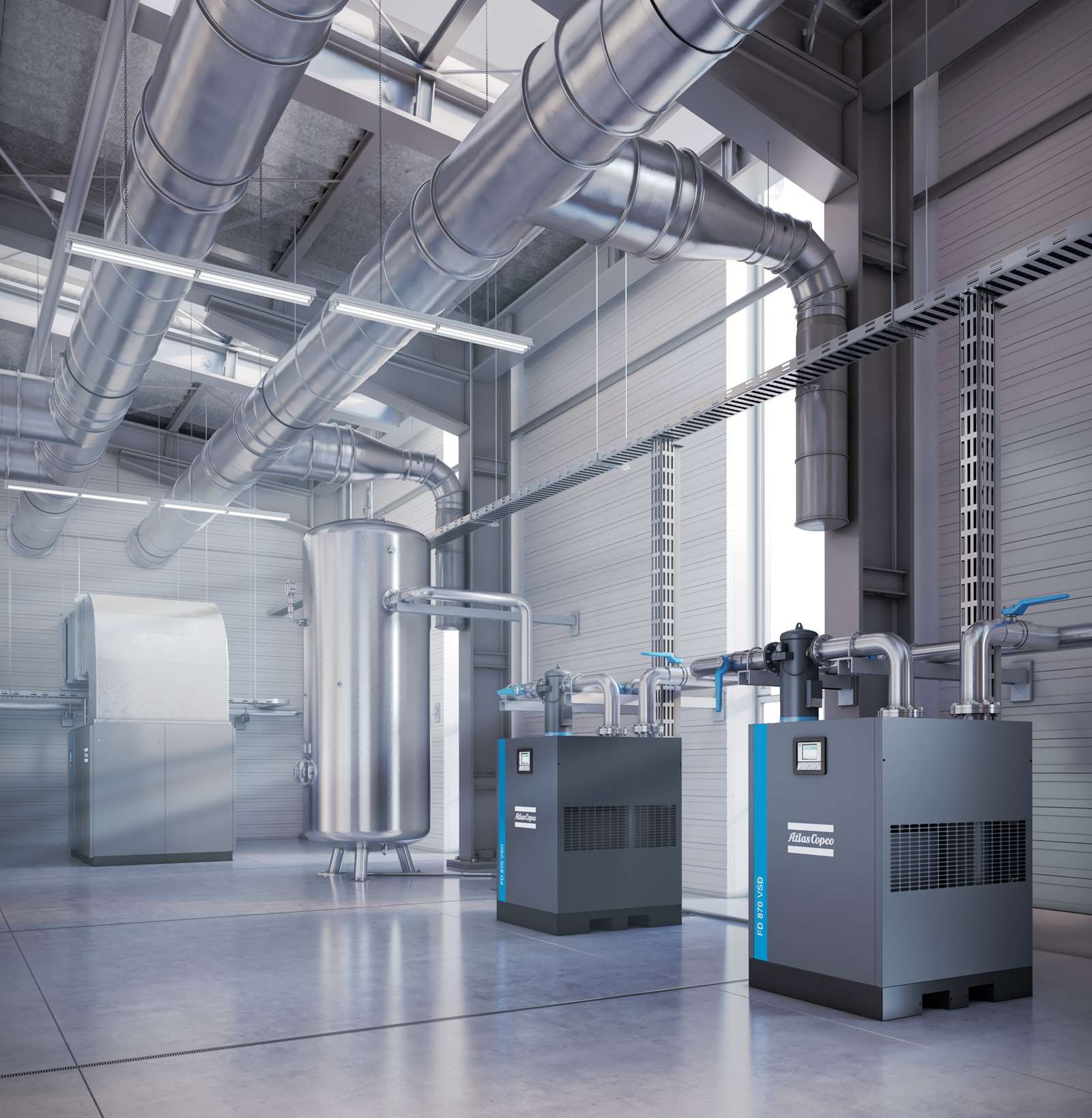
Effective air drying and filtration solutions are essential for controlling microbial growth. Refrigerant Dryers are suitable for general plant air (+3°C PDP), while desiccant dryers are necessary to achieve the -40°C PDP required for direct contact applications.

Multi-Stage Filtration
A cascade of filters removes remaining contaminants. This includes particulate filters for solid particles, coalescing filters for aerosols, activated carbon filters for vapours and odours, and sterile filters at the point of use as a final guarantee.

Food-Grade Pipework
Traditional galvanised or black iron pipes corrode, re-contaminating clean air with rust. Modern stainless steel or aluminium piping systems, such as those from AIRnet, prevent this, maintaining purity throughout your facility.

On-Site Nitrogen Generation
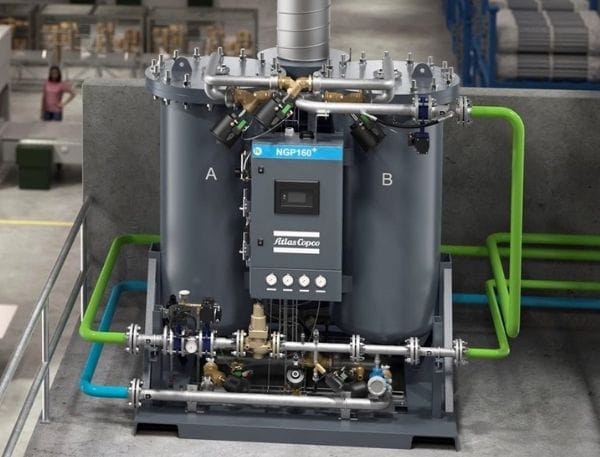
For Modified Atmosphere Packaging (MAP), on-site nitrogen generators use oil-free air to produce a continuous supply of high-purity packaging gas. Search Air supplies and maintains Atlas Copco nitrogen generators tailored to your MAP applications, helping you reduce packaging gas costs by up to 50%.
-

Moisture Removal
-
Multi-Stage Filtration
-
Food-Grade Pipework
-
On-Site Nitrogen Generation
Beyond Purity: Driving Efficiency and Reducing Costs
An optimised compressed air system doesn’t just protect your product, it reduces your operational expenditure.
- Variable Speed Drive (VSD) Compressors: Atlas Copco’s VSD+ compressors dynamically adjust output to match real-time demand, cutting energy use by up to 50%. This reduces both electricity bills and carbon emissions, especially important as energy costs continue to rise across the UK manufacturing sector.
- Heat Recovery: Up to 94% of the energy consumed by a compressor is converted to heat. Heat recovery systems capture this thermal energy to produce hot water for Cleaning or space heating, dramatically slashing your utility bills.
- Ultrasonic Leak Detection: Even a single 3mm leak can cost over £1,000 per year in wasted energy. Search Air uses ultrasonic detection to pinpoint invisible leaks, saving energy without interrupting production.

Food Safety Compliance: ISO, HACCP, PSSR & BRCGS
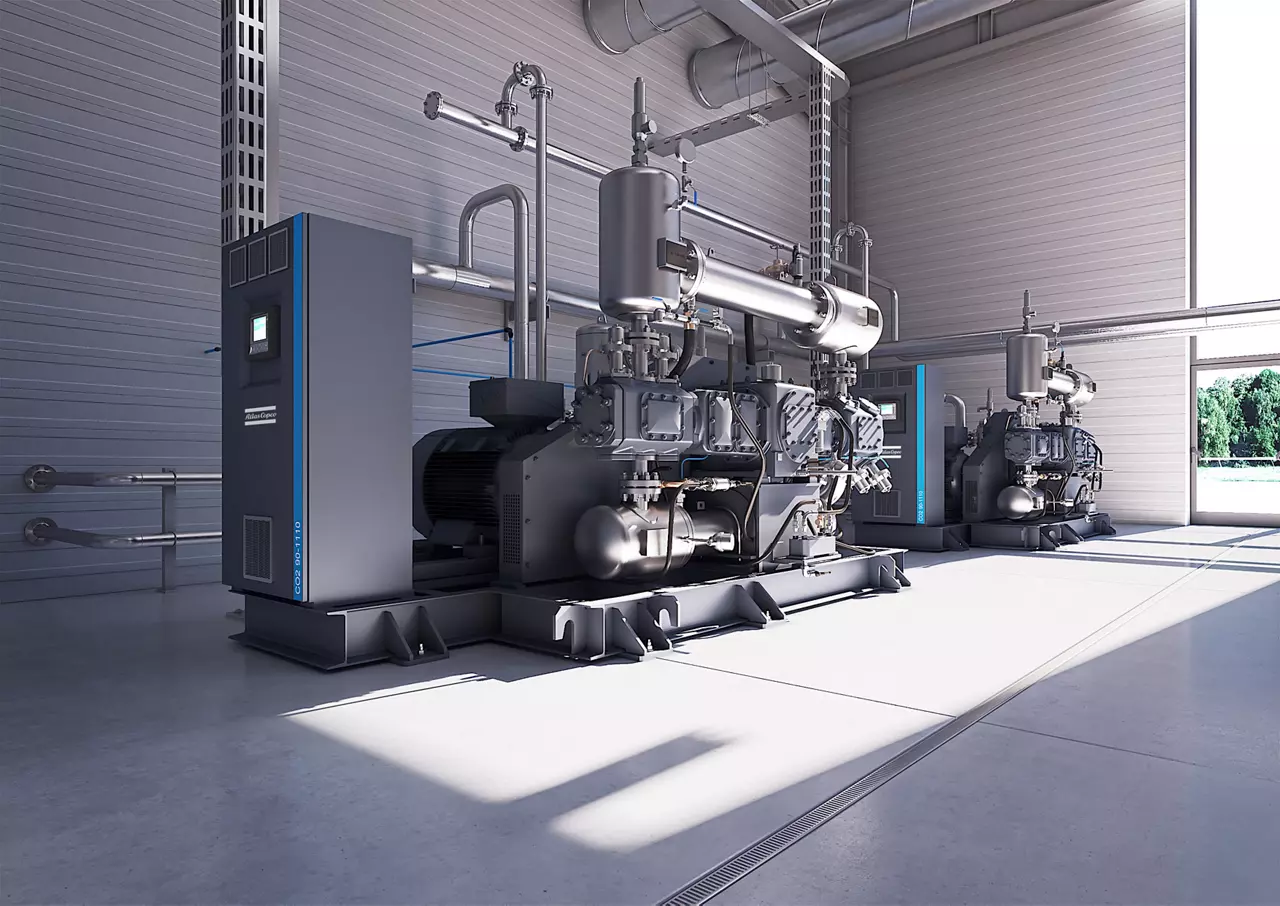
Meeting food safety standards is non-negotiable. Your compressed air system is a Critical Control Point in your HACCP plan and will be scrutinised during BRCGS audits. It is not enough to have the right equipment; you must prove it is performing correctly.
William G. Search Ltd. offers formal ISO 8573-1 compressed air quality testing, accompanied by documented certification. This provides the tangible evidence required to pass third-party audits and satisfy major retailers, demonstrating your commitment to ensuring compressed air meets food safety compliance standards. We also manage your legal obligations under PSSR 2000 by creating and executing a Written Scheme of Examination for your pressure system.
Learn more about our specialized food-grade compressed air testing.
Your Expert Partner for Food-Grade Compressed Air in the UK
With over 78 years of experience, Search Air is a Premier Atlas Copco Distributor and 2022 Distributor of the Year, specialising in specifying, installing, and maintaining compressed air systems for the food and beverage industry. Our expertise extends to various applications, including bottling, ensuring the highest standards of hygiene and efficiency.
We can provide a bespoke system for your new production facility or maintenance for your existing system. Our experienced team will ensure your processes are pure, compliant, and efficient. With over 70 years dedicated to compressed air solutions, Search Air has a proven track record of providing high-purity compressed air solutions to diverse sectors of the food and beverage industry, including the UK’s breweries, where maintaining strict quality standards is paramount.
Investing in the right oil-free air compressor system for your food or beverage business is a crucial decision that helps keep your brand safe, compliant, and profitable. Partner with a true expert who will make sure every component in your system is working perfectly to achieve the highest purity and performance.
Protect your product. Prove your compliance.
Contact the Search Air team for a free, no-obligation site survey and compressed air audit.
📞 Call us on 0113 263 9081 or 📧 email air@wgsearch.co.uk.
Want to know more about our food and beverage service?
Contact us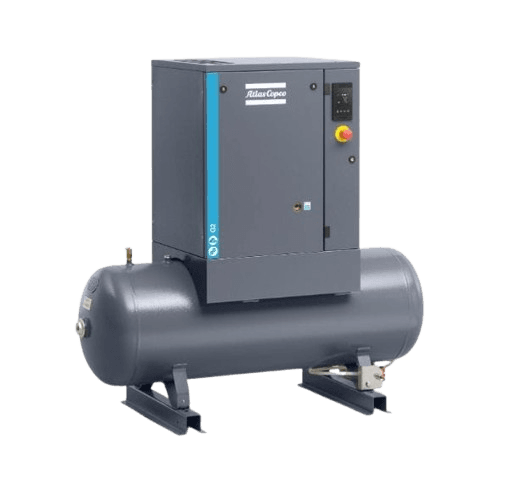
What are Common Applications of Air Compressors in the Food and Beverage Industry?
Air compressors play a vital role in various food and beverage processes. Here are some specific examples:
- Pneumatic Conveying: Moving dry ingredients like flour, sugar, and grains through pipelines.
- Mixing and Blending: Powering pneumatic mixers for consistent product blends.
- Filling Lines: Driving automated filling equipment for bottles, cans, and pouches.
- Packaging: Operating robotic arms and sealing equipment for efficient packaging.
- Bottle Blowing: Manufacturing plastic bottles using compressed air.
- Sorting and Grading: Using air jets to sort and grade produce based on size and quality.
- Automated Slicing: Powering automated slicing machines for meat and cheese products.
What Regulations and Standards Apply Beyond ISO 8573-1?
While ISO 8573-1 is the primary standard for compressed air purity, other regulations may apply depending on your specific foods, beverages, and target markets. These can include:
- FDA Regulations (USA): The Food and Drug Administration (FDA) has specific regulations for food and beverage processing, including requirements for compressed air that comes into contact with food containers.
- EU Directives: The European Union has directives related to food safety and hygiene, which may impact compressed air quality requirements.
- BRCGS (Brand Reputation Compliance Global Standards): This globally recognised standard for food safety includes requirements for compressed air quality.
It’s essential to stay informed about the regulations that apply to your specific operations to ensure compliance and product safety.
What are the Considerations for Different Types of Air Compressors?
Different types of air compressors are suited for various applications in the food and beverage industry. Here’s a brief overview:
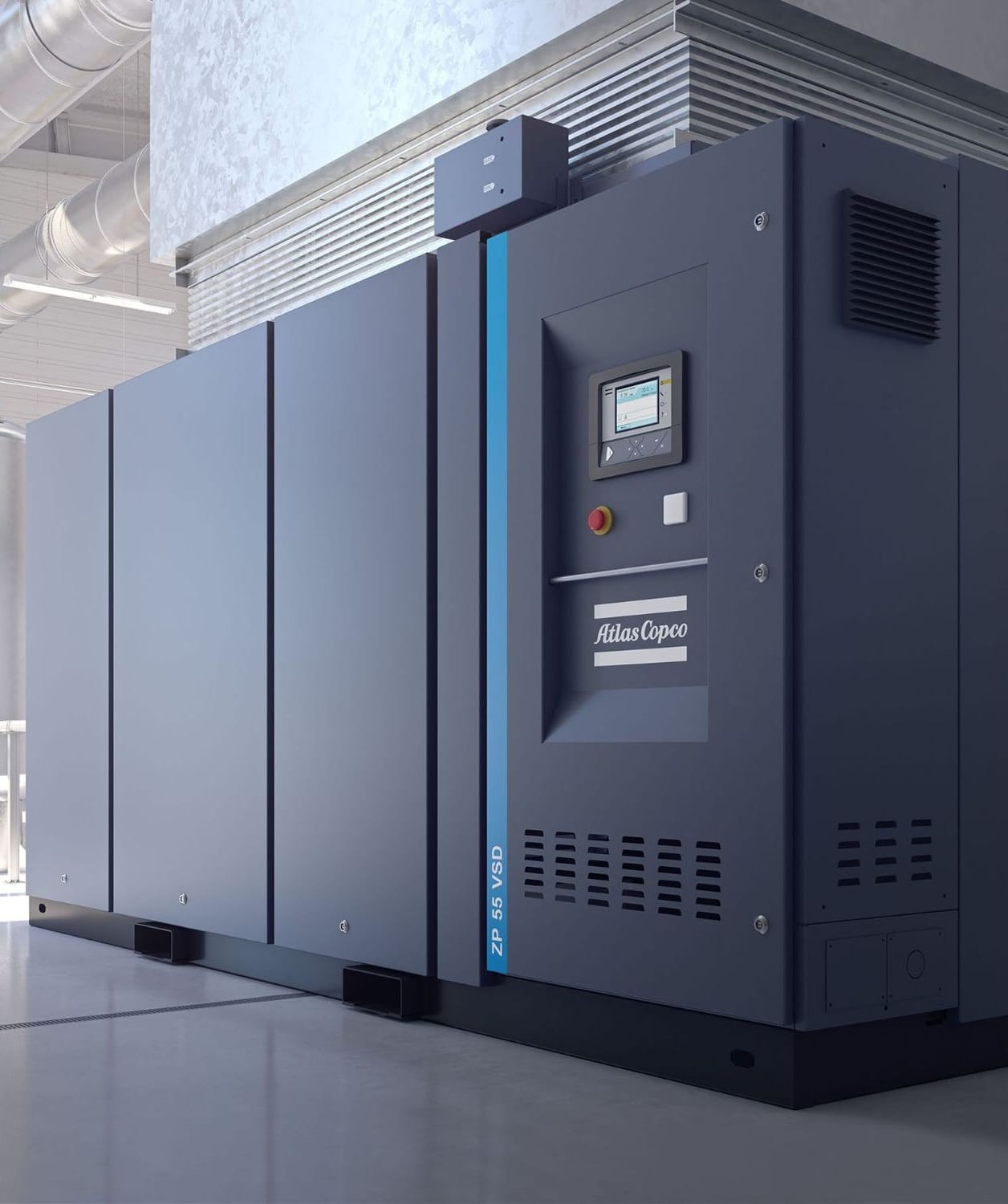
- Rotary Screw Compressors: These are reliable and energy-efficient, making them suitable for continuous operation in large-scale factories.
- Piston Compressors: Piston compressors are a good option for intermittent use or smaller operations.
- Scroll Compressors: Scroll compressors offer quiet operation and are ideal for applications where noise is a concern.
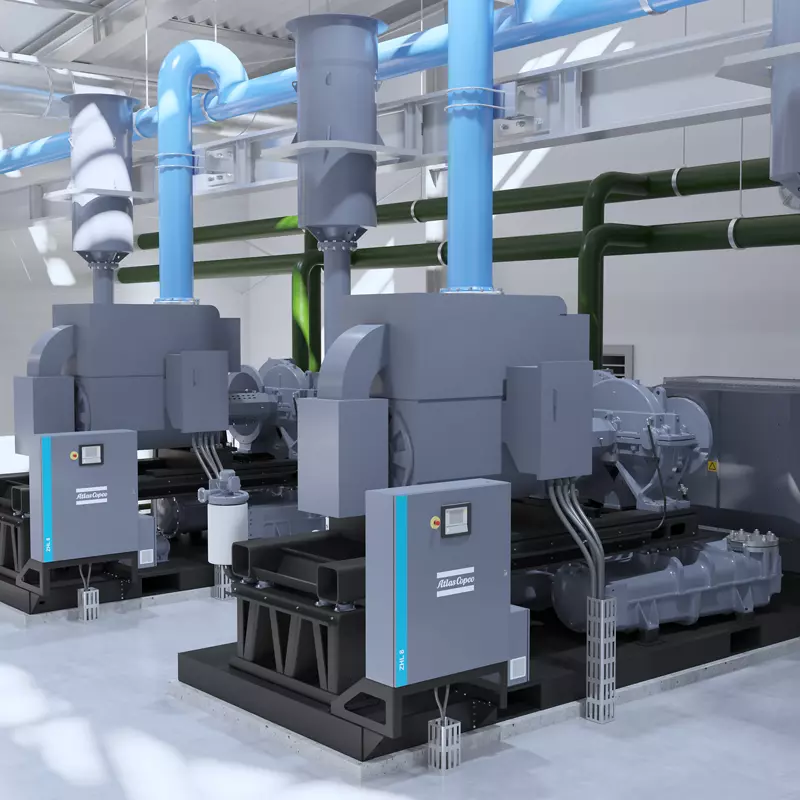
- Centrifugal Compressors: Centrifugal compressors are used in very large-scale operations requiring high volumes of compressed air.
The choice of compressor depends on factors such as air demand, operating hours, and budget.
What is the Impact of Compressed Air Quality on Specific Food Products?
The impact of poor air quality varies depending on the food product. Some products are more sensitive to contamination than others:
- Dairy Products: Contaminated air can introduce bacteria that spoil milk, cheese, and yogurt.
- Meat Products: Poor air quality can lead to microbial growth and reduce the shelf life of meat products.
- Beverages: Oil or other contaminants can affect the taste and odour of drinks, leading to product recalls.
Maintaining high air quality is crucial for preserving the quality and safety of all food and beverage products.

Choosing the Right Compressor Technology for Your Application
Selecting the appropriate air compressor technology is vital for efficiency and safety. Here’s a comparison:
- Rotary Screw Compressors: Ideal for continuous, heavy-duty use with high efficiency.
- Piston Compressors: Suitable for intermittent use and smaller air demands.
- Scroll Compressors: Best for applications requiring quiet operation and moderate air demand.
- Centrifugal Compressors: Designed for very large operations needing high-volume compressed air.
Consider your specific needs and consult with Search Air to determine the best technology for your facility.
How Do You Maintain Your Food-Grade Compressed Air System?
Proper maintenance is essential for ensuring the long-term Reliability and air quality of your compressed air system. Key maintenance tasks include:
- Regular Filter Changes: Replace filters according to the manufacturer’s recommendations to remove contaminants.
- Moisture Drain Checks: Ensure moisture drains are functioning correctly to prevent water buildup in the system.
- Leak Detection and Repair: Conduct regular leak checks and repair any leaks promptly to prevent energy waste and maintain pressure.
- Oil Analysis (for Oil-Lubricated Compressors): Monitor oil condition and change oil as needed to prevent contamination.
- Professional Servicing: Schedule regular servicing with Search Air to ensure optimal performance and identify potential issues.
Compressed Air Solutions in Yorkshire, the East Midlands, and Beyond
Search Air provides comprehensive air solutions across Yorkshire, the East Midlands, and surrounding regions. With service depots in Leeds (Head Office), Sheffield, and Nottingham, we offer local expertise and rapid response times.
Our core service areas include:
- Yorkshire: Covering West, South, North, and East Yorkshire, including Leeds, Sheffield, Bradford, Barnsley, Castleford, Doncaster, Harrogate, Huddersfield, Rotherham, Wakefield, Hull, and York.
- East Midlands & Derbyshire: Supporting businesses in Nottingham, Chesterfield, Worksop, Derby, Leicester, and Lincoln.
- The North West: Extending services to Manchester and the Greater Manchester area, including Stockport, Salford, and Trafford Park.
Our engineers are equipped to travel and provide service, maintenance, and installations across the wider UK.

Frequently Asked Questions About Food-Grade Compressed Air
What is a food grade air compressor?
A food grade air compressor is designed to deliver clean air that meets stringent purity standards for food and beverage production process. These compressors typically use oil-free technology and advanced filtration systems to prevent contamination.
What is a food safe air compressor?
A food safe air compressor is an air compressor that has been designed and maintained to ensure that the compressed air it produces is safe for use in direct or indirect contact with food products. This means that the air must be free from oil, particulates, moisture, and other contaminants that could compromise food safety.
Why is compressed air important in the food & beverage industry?
In the food and beverage industry, compressed air is as vital as electricity, water, and gas, powering everything from pneumatic conveying to automated packaging.
What kind of compressor is the most commonly used in industries?
Screw compressors are commonly used in industries. They are reliable and energy-efficient, making them suitable for continuous operation in large-scale factories.
What is the main benefit of using compressed air in the food industry?
The main benefit of using compressed air in the food industry is that it can improve efficiency, reduce costs, and enhance product quality.
Ready to Learn More?
Investing in a perfect food-safe air compressors system is a crucial decision for your food or beverage business. Partner with Search Air, a Premier Atlas Copco Distributor and 2022 Distributor of the Year, to ensure your system meets the highest standards of purity, compliance, and performance. Our range of services ensures we can meet your needs.
Contact us today for a free, no-obligation site survey and compressed air audit.