
Services
Air Compressors for the Chemical Industry
Hourly downtime costs in the chemical and petrochemical industry can exceed £200,000. Your supply of compressed air is not just a utility; it’s a vital component of your production process and chemical manufacturing workflow. Get it wrong and you face contamination, safety risk, and significant financial loss.
This guide will show you how to specify a system that ensures purity, efficiency, and complete compliance when selecting industrial air compressors for chemical industry applications.
Why Your Choice of Air Compressor is Critical
In the chemical plant, compressed air is utilised for process control, safety, and product handling purposes. Because contamination risks are high, maintaining superior air quality across all industrial applications is non-negotiable.

Key Applications in Your Chemical Plant
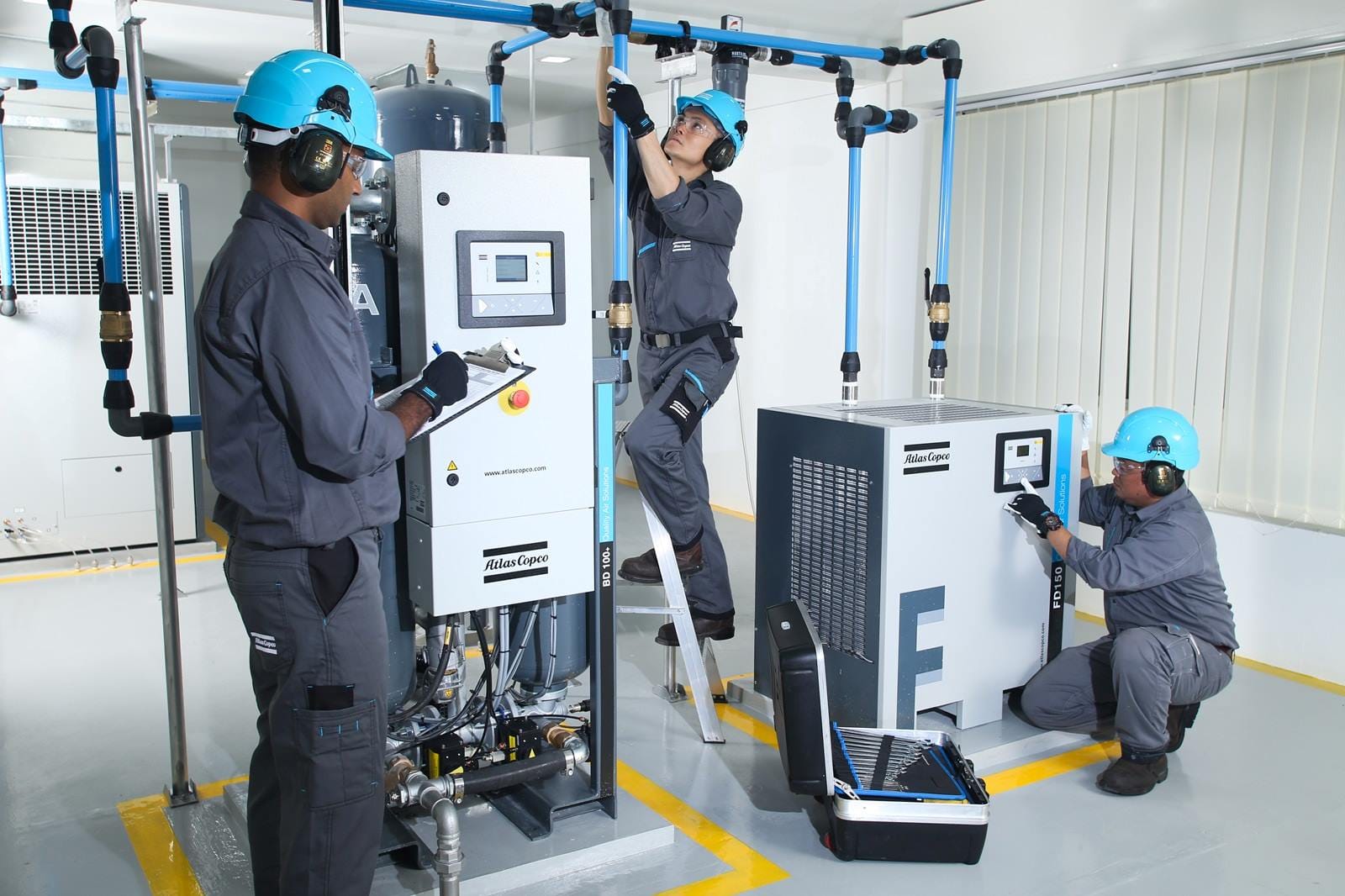
- Instrument Air: Ensures your pneumatic control valves and actuators work correctly, so you don’t fail the process.
- Process Air: Shields your product from contamination in direct-contact processes such as aeration and oxidation, where 100% oil-free air is required.
- Pneumatic Conveying: Safely transports your powders and granules in a closed system, avoiding spoilage and dust emissions.
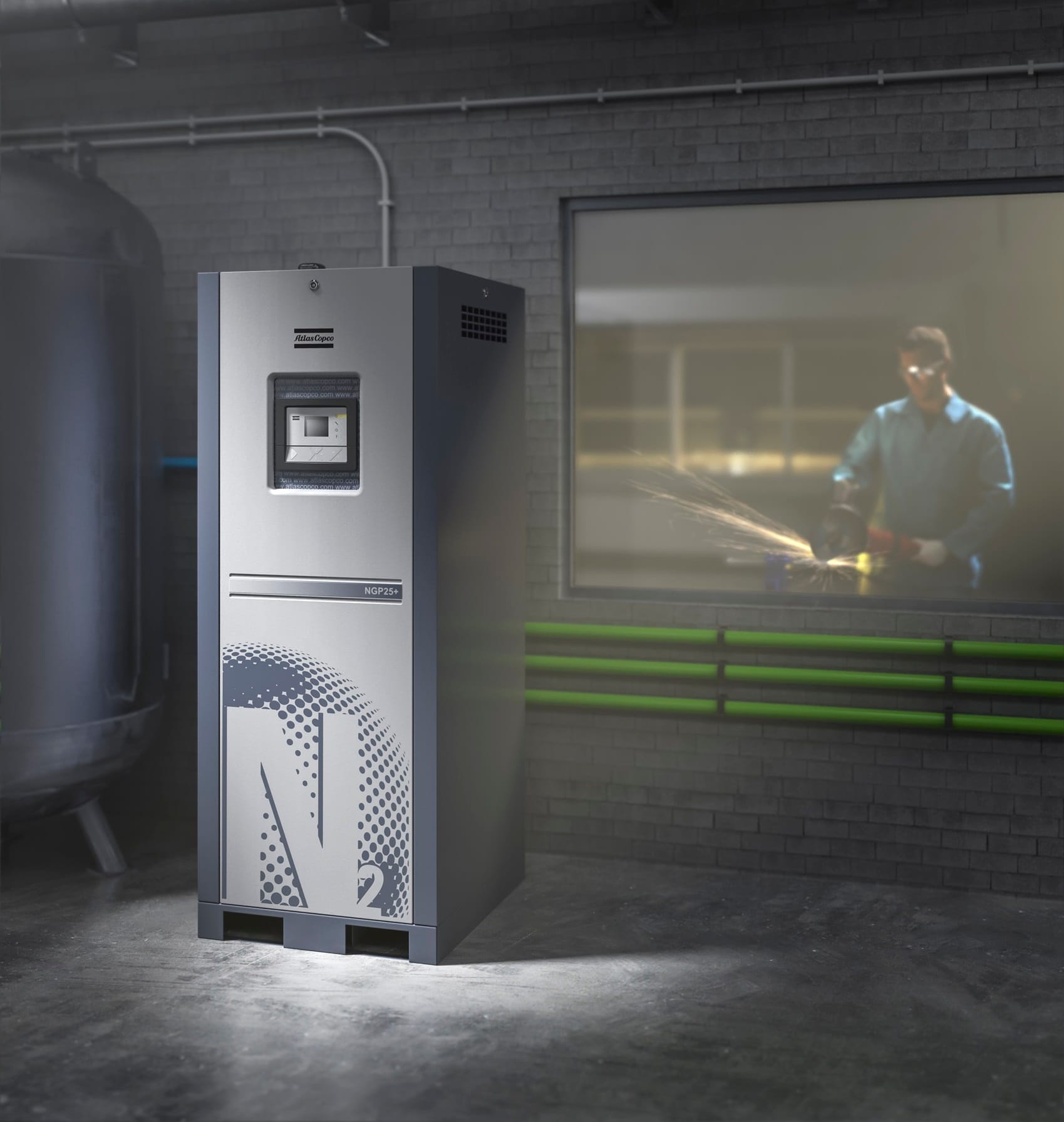
- Nitrogen Generation: Improves plant safety by producing inert gas for blanketing and purging from compressed air.
- Process Cooling: Compressed air plays a vital role in cooling and modulating temperatures during exothermic reactions.
- Gas Compressors: Specialised units used for moving hydrocarbons and other process gases safely through the petrochemical refinement cycle.
Achieve Pure Perfection: Demystifying ISO 8573-1
Oil, water, or particulate contamination can spoil entire batches and harm your equipment. ISO 8573-1: 2010 gives you a common language for air purity.
Class 0 vs. “Technically Oil-Free”: Eliminate Contamination Risk
You have two choices for pure air, but only one eliminates risk when choosing an air compressor.
- Class 0 Oil-Free Air: Guarantees 100% purity by design. Compressors like the Atlas Copco ZR/ZT range have no oil in the compression chamber, so contamination is impossible. This is the standard for a true oil-free compressor.
- “Technically Oil-Free” Air: Relies on filters to remove oil from the air of a lubricated compressor. This system carries an inherent risk. Even a single filter failure can contaminate an entire batch, resulting in hundreds of thousands in losses. Class 0 eliminates this risk.
Understanding the difference between oil vs oil-free air compressors is the first step toward protecting your production.
The Right Air Treatment for Guaranteed Quality
Your compressor is just one part of the system. To achieve specified purity, you need a complete air treatment train.

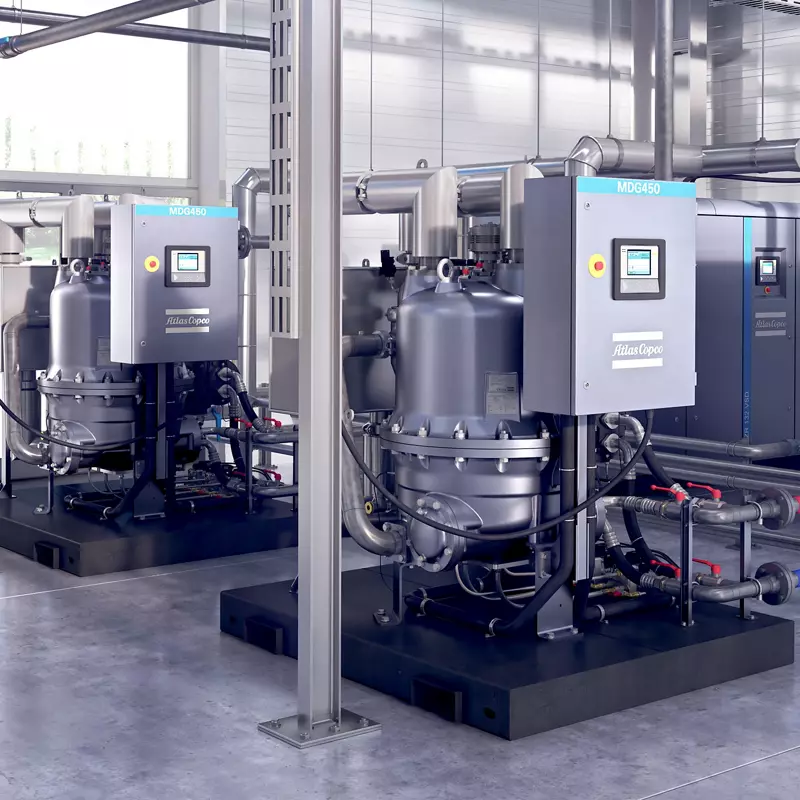
- Achieve Low Dew Points: Utilise a comprehensive air drying and filtration system with Desiccant dryers to deliver arid air (down to -70°C) required by sensitive instruments and processes.
- Manage Hazardous Waste: Condensate from dryers and filters is classified as hazardous waste under UK law. Compliant oil-water separation systems are crucial to prevent regulatory violations.
Cut Costs and Boost Reliability with the Right Technology
Your compressed air system must be compliant and efficient; otherwise, you risk downtime and regulatory penalties. A well-specified system becomes an asset that cuts energy costs and ensures 24/7 reliability.
Choosing the Right Compressor for Your Needs
The most efficient solution is often a hybrid system designed for your plant’s specific demand profile. Search Air specialises in creating these consultative solutions, combining technologies like:

Oil-Free Rotary Screw (Atlas Copco ZR/ZT)
The gold standard for guaranteed, Class 0 pure air. These screw compressors are ideal for continuous demand where purity is paramount.

Centrifugal Compressors
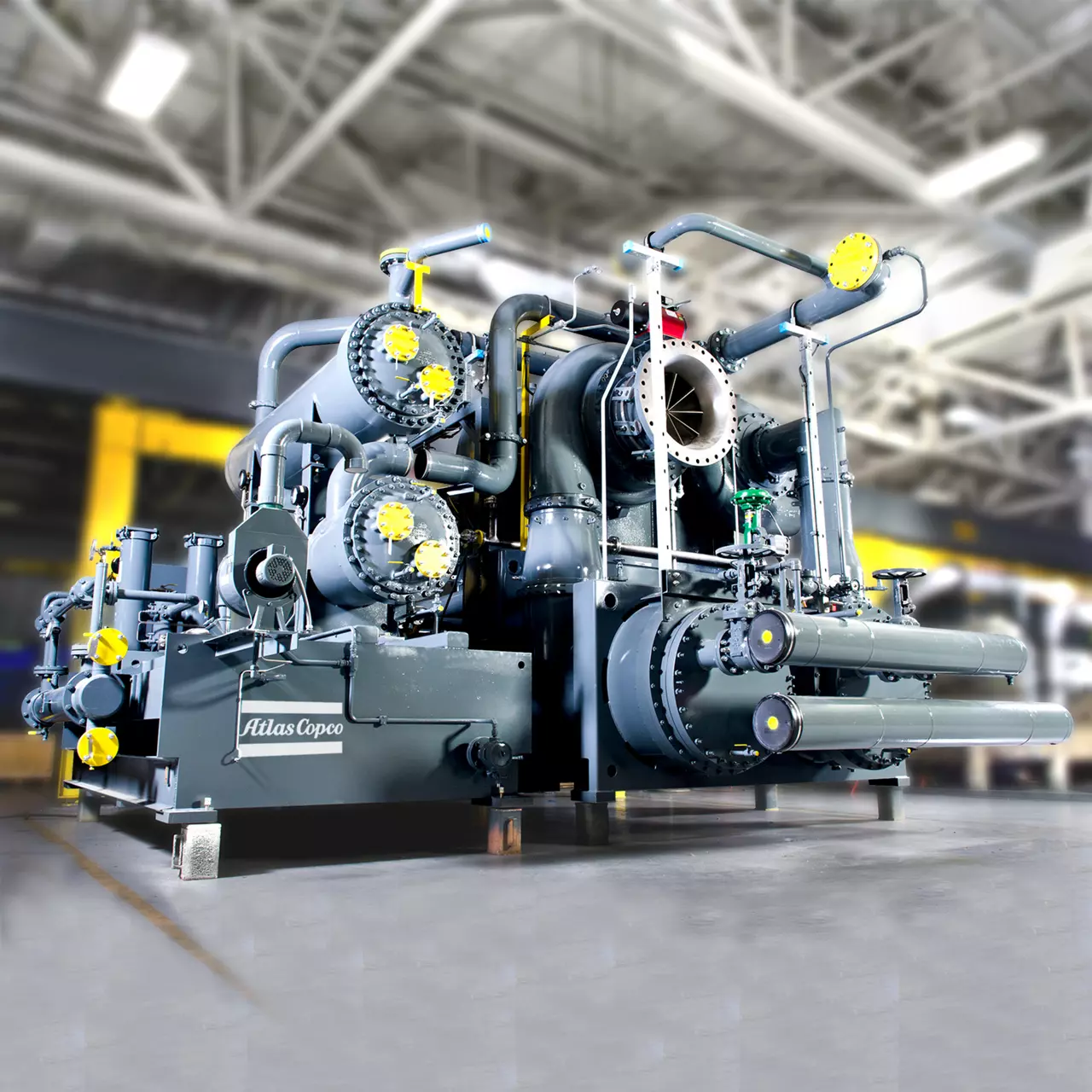
The workhorse for handling significant continuous baseload air demand.

Central Controllers
Intelligent systems that manage your entire compressor network to maximise efficiency.
-

Oil-Free Rotary Screw (Atlas Copco ZR/ZT)
-
Centrifugal Compressors
-
Central Controllers
Slash Energy Bills and Reclaim Waste Heat
- Cut energy bills by 35-60% with a variable speed drive (VSD) air compressor. It adjusts its motor speed to match your air demand precisely, eliminating wasted energy.
- Recover up to 94% of waste heat. Energy recovery systems convert the waste heat generated by your compressor into a valuable resource that can be utilised to produce hot water for other plant processes.
Prevent Breakdowns with Predictive Maintenance
Don’t just react to failure; prevent it from happening. With modern IoT technology such as Atlas Copco SMARTLINK, you have round-the-clock remote access to the health of your system, allowing you to be alerted to possible trouble before it becomes a downtime event. Ongoing AIRScan audits deliver a full health check, which enables you to spot further optimisation potential.

Ensure Full Compliance with UK Safety Regulations
Operating a compressed air system in the chemical industry means navigating a strict legal framework.
- Pressure Systems Safety Regulations 2000 (PSSR): Legally enforces the need for a Written Scheme of Examination (WSE) to be certified by a “Competent Person”.
- Dangerous Substances and Explosive Atmospheres Regulations 2002 (DSEAR): Legally requires risk assessments and classification of hazardous zones.
- ATEX/UKCA Directives: Legally required certified explosion-proof for use in DSEAR-classified hazardous zones.
- BCAS Best Practices: As BCAS members, we install and audit systems in line with the latest industry best practices for safety and efficiency.
Navigating this interconnected web of regulations is a significant challenge. Search Air provides an integrated compliance service—from DSEAR assessments and ATEX-certified equipment specification to managing your PSSR Written Scheme of Examination—taking the full regulatory burden off your shoulders.
Frequently Asked Questions
What is the use of a compressor in the chemical industry?
Compressors are used for pneumatic conveying, operating control valves (instrument air), promoting chemical reactions (oxidation/aeration), and process cooling. In the petrochemical industry, they are also essential for gas compression and transport.
How does a compressor work in chemical engineering?
In chemical engineering, compressors increase the pressure of gases to drive reactions, transport fluids through pipelines, or provide the motive force for pneumatic systems. Reliable screw compressors or centrifugal units are typically chosen based on the pressure and flow requirements.
How to calculate air compressor requirements?
To calculate requirements, determine the CFM (Cubic Feet per Minute) and PSI (Pressure) needed for all tools and processes. Factor in a duty cycle buffer and account for pressure drops in piping. We recommend an AIRScan audit to precisely measure your demand profile.
Which is better, CFM or SCFM?
SCFM (Standard Cubic Feet per Minute) is generally better for comparison because it standardises the measurement to a specific temperature and pressure, whereas CFM can vary based on ambient conditions.

Your Expert Partner for Chemical Industry Air Systems
Meeting the complex demands of the chemical sector requires a specialist partner. Search Air (William G. Search Ltd., trading as Compressive.co.uk) delivers turnkey solutions that ensure purity, compliance, and efficiency.
A Complete Solution, from Audit to 24/7 Support
We manage every aspect of your compressed air system, from expert energy audits and system design to professional compressor air quality testing and 24/7 emergency breakdown support. Our expertise extends to other highly regulated sectors, including our work with air compressors for the food and drink industry.
For one speciality chemicals plant in South Yorkshire, our energy audit and VSD+ compressor installation delivered annual savings of over £45,000, with a payback period of less than two years.
Fast, Local Support Across Yorkshire & the East Midlands
When your system is down, every minute counts. With operational bases in Leeds, Sheffield, and Nottingham, Search Air provides rapid on-site support to the UK’s chemical heartland. This local presence ensures a long-term partnership through scheduled maintenance and ongoing energy audits, in addition to emergency response.
Take Control of Your Compressed Air System Today
Don’t let an inefficient or non-compliant system put your operations at risk. If you are looking for the best air compressors for chemical industry use, contact our experts to take the next step.
- Request a site audit to uncover hidden energy savings.
- Book a no-obligation consultation to ensure your system is fully compliant.
- Download our free guide to maintaining a safe and efficient compressed air system.
Want to know more about our chemical service?
Contact us