
Services
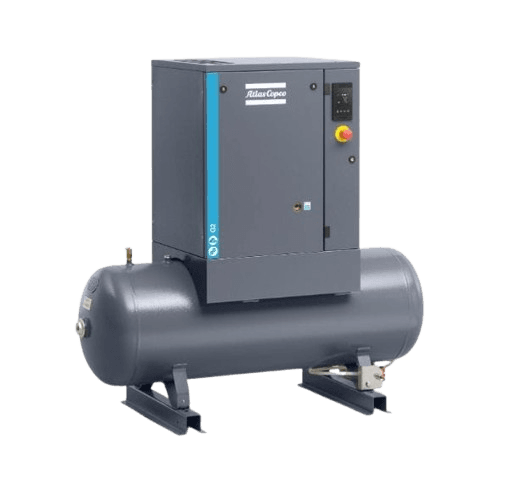
Air Compressors for Pharmaceutical Manufacturing
In a pharmaceutical facility, compressed air is more than just an energy source; it plays a crucial role in maintaining the integrity of the facility. It is the fourth utility, a processing ingredient that will either directly or indirectly contact products. Particles, water, oil, or microorganisms introduced into the air can all contaminate the product and spoil batches, cause expensive recalls, and result in significant regulatory fines.
A mis-specified, poorly operated, or poorly maintained air system is a direct path to non-compliance and patient harm. To mitigate these risks, manufacturers must implement robust air treatment solutions that guarantee contaminant-free air at every stage of production.
We outline the specifications and requirements of a properly designed, operated, and maintained configuration that meets the needs of the wider pharmaceutical industry.
Why it Matters:
- Prevent product contamination and batch loss
- Ensure MHRA / GMP / ISO 8573 compliance
- Reduce operational use by up to 50% with VSD tech
- Avoid downtime with proactive monitoring

Why Absolute Air Purity is Non-Negotiable
Cleanliness is job one in pharmaceutical manufacturing. The compressed air system is a hidden yet potentially significant source of contamination that can destroy a sterile process. Without effective air treatment, the following risks arise:
- Particles: Atmospheric dust, pipe scale, and wear debris can contaminate your sterile product or clog sensitive pneumatic tools.
- Water: Water vapour and moisture provide a breeding ground for microbes in your pipework, which can cause deterioration of moisture-sensitive products.
- Oil: Oil aerosols and vapours from the unit or ambient air will spoil products and be a direct risk to patient health.
- Microorganisms: Bacteria and other microbes that are attracted into the system will multiply where moisture is present and can cause a non-sterile product if they reach a point of use.
The cost of a single contamination incident is many times the investment in a properly engineered industrial solution.
Meeting GMP and ISO 8573-1 Air Purity Standards
To prevent these dangers, the pharmaceutical industry has built an armoury of standards and regulations for manufacturers and end-users to adhere to. A solid understanding of these is vital to ensuring that your facility remains compliant.
.
At a glance, the most important standards are:
- ISO 8573-1 – the International standard for compressed air purity.
- ISO 8573-7 specifies the test method for determining the content of viable microbiological contaminants.
- GMP Annex 1 – gives general requirements for the manufacture of sterile medicinal products.
ISO 8573-1:2010 classifies compressed air purity based on the maximum allowed levels of particulates, water, and total oil. For aseptic and sterile pharmaceuticals where the utility is in direct contact with the product, there is only one acceptable standard: ISO 8573-1 Class 0.


Class 0 is the strictest possible classification. To achieve Class 0 purity, the user and equipment supplier must agree on a purity specification that is more stringent than the Class 1 specification, tailored to the specific process.
A key point of clarification is that individual units are not certified by Good Manufacturing Practice (GMP) regulations; instead, the entire validated system is approved. As such, the term ‘GMP compliant compressor’ is an oxymoron, and emphasis should be placed instead on a sound validation and risk-based approach, with the entire setup formally Installation Qualified (IQ), Operationally Qualified (OQ), and Performance Qualified (PQ) to demonstrate fitness for purpose.
Engineering the Purification Train for Class 0 Air
Achieving consistent Class 0 air quality requires a multi-stage approach, where each component is selected to remove contaminants systematically.

The Foundation: 100% Oil-Free Compressor Technology
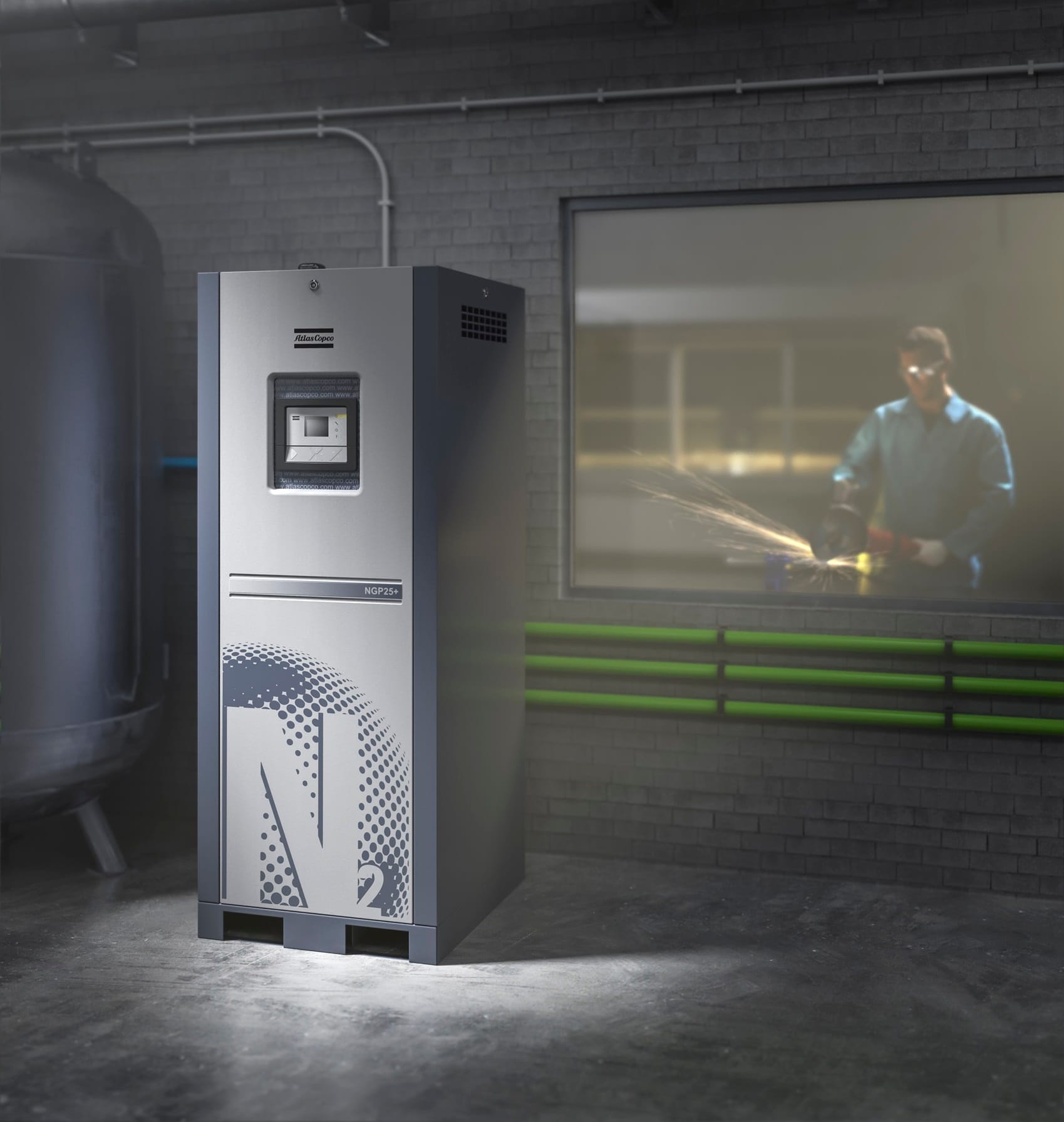
The only safe choice for pharmaceutical applications is an oil-free system. By design, these units use no oil in the compression chamber, making them ideal sources of oil-free compressed air for high air quality in regulated environments. Even with these, downstream air treatment is essential to remove contaminants drawn in from the ambient air.

Screw Compressors vs. Scroll Technology
When selecting the core technology for your plant, understanding the difference between scroll and screw compressors is vital. For smaller laboratories or R&D facilities with lower demand, scroll compressors are often sufficient. However, for full-scale manufacturing, industrial screw compressors are the standard. The rotary screw element is designed for continuous duty cycles, ensuring a steady flow of air for critical processes. Modern screw compressors integrated with VSD technology offer the robustness required for 24/7 pharmaceutical operations while maintaining strict energy efficiency.

The Atlas Copco Advantage
As an Atlas Copco Premier Distributor since 2001, Search Air provides technologies globally recognised for reliability. Atlas Copco machines are trusted by regulated facilities worldwide, from formulation labs to GMP cleanrooms, because they consistently meet ISO Class 0 air purity and MHRA audit expectations. Paired with SMARTLINK digital monitoring, these solutions provide real-time data and performance logs, which are invaluable for demonstrating control and readiness during a GMP audit.

Driving Efficiency with VSD Technology
Pharmaceutical production demand often fluctuates. That’s where Variable Speed Drive (VSD) units come in, automatically adjusting their motor speed to match air demand in real-time. This simple principle can reduce consumption by up to 50%, significantly lowering the Total Cost of Ownership (TCO) and improving pressure stability for sensitive pneumatic equipment.
-

The Foundation: 100% Oil-Free Compressor Technology
-
Screw Compressors vs. Scroll Technology
-
The Atlas Copco Advantage
-
Driving Efficiency with VSD Technology
At Search Air, we design these systems using a multi-stage “purification train” approach. Our air drying and filtration systems ensure every contaminant is targeted:
- Desiccant Air Dryers: These are essential for use in the sector. They achieve pressure dew points as low as -70°C, making it impossible for microorganisms to grow.
- Multi-Stage Filtration: A series of coalescing and activated carbon filters removes residual water aerosols, oil vapours, and particulates down to 0.01 microns.
- Sterile Filtration: For all direct product contact points, a point-of-use sterile filter with a 0.2-micron rating is the final, critical barrier to remove any remaining microbes.
🛠️ Need a system designed for Class 0 purity and full GMP compliance?
Contact our specialists today to book a free consultation or request an airCHECK assessment.

Critical Applications in Pharmaceutical Manufacturing
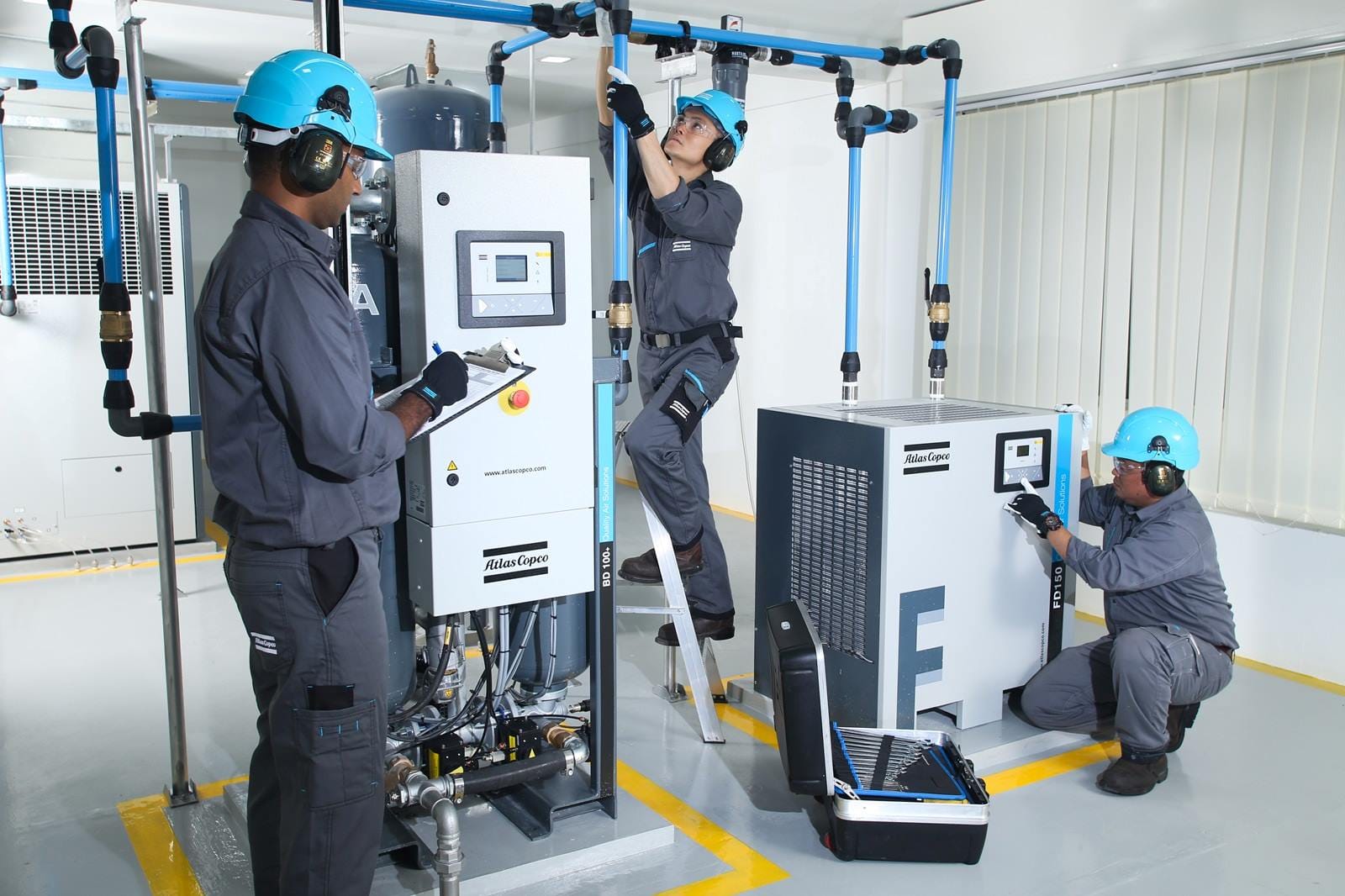
A compliant setup can be an essential part of many different processes, such as:
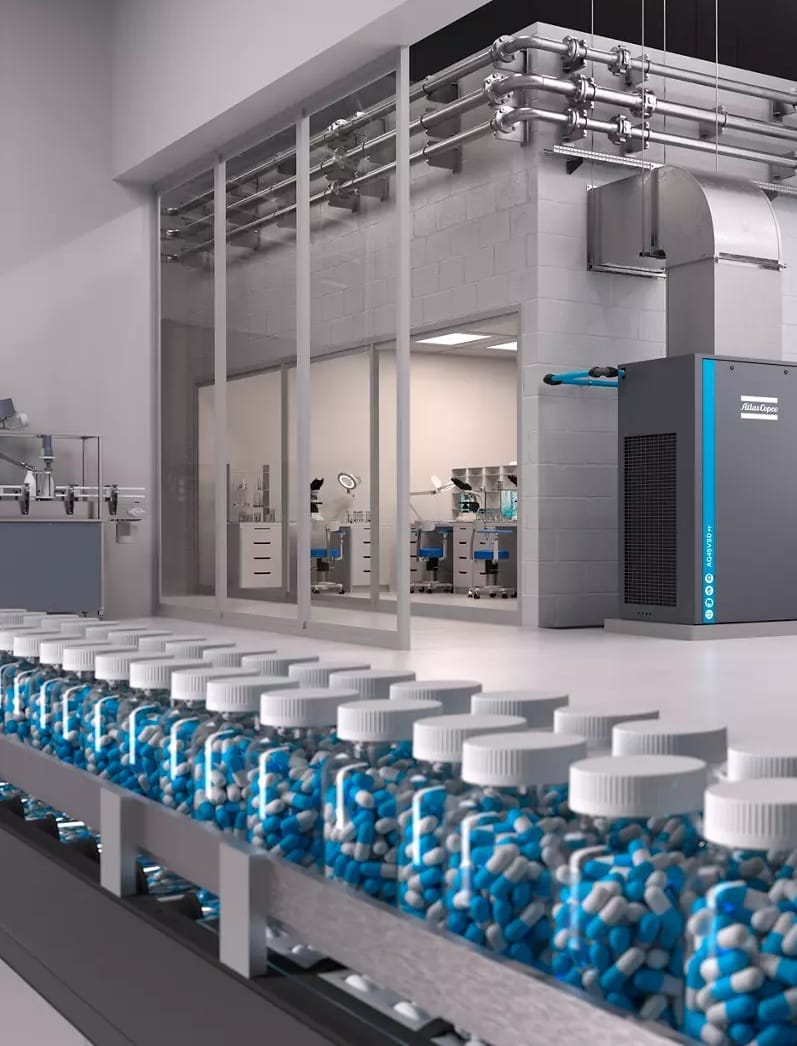
- Tablet & Capsule Production: Compressing, coating, and de-dusting of solid dosage forms.
- Fermentation & Aeration: Supplying sterile, oxygen-enriched air to encourage fermentation and development of cultures.
- Pneumatic Conveying: Transporting powders and granules without cross-contamination.
- Packaging: Cleaning and drying vials, sealing blister packs, and providing clean air to fill-and-finish lines.
- Cleanroom Environments: Operating pneumatic controls for HVAC systems and providing process air that meets cleanroom classification requirements.
Your Regional Partner for Lifecycle Compliance and Performance
Search Air is a regional expert in GMP-compliant configurations. We design, install, and maintain air compressors for pharmaceutical manufacturing that meet the highest standards of GMP compliance, ISO purity, and industrial operational efficiency.
Local Expertise for the UK’s Pharma Hub
We support manufacturers and CDMOs across the region, including organisations based in Leeds, Nottingham, and Sheffield. Our local presence means our factory-trained engineers can provide a rapid 24/7 emergency response to minimise costly production downtime.
Proven Ways to Cut Costs and Stay GMP-Compliant
We don’t just install your system, we help you stay audit-ready year-round with expert purity validation, leak audits, and energy-saving insights.
- We provide analysis in accordance with ISO 8573-1 standards, providing you with the documented evidence required for regulatory audits.
- Leaks can waste up to 30% of compressed air. Our ultrasonic leak detection audits pinpoint and quantify them, providing a clear ROI for repairs.
- We analyse your entire system to identify efficiency gains, from pressure optimisation to installing heat recovery systems that can reclaim up to 94% of waste heat.
Here’s how we help you stay audit-ready and production-safe, ensuring your machines are an asset, not a liability.

Frequently Asked Questions (FAQ)
Why is oil-free compressed air critical for the pharmaceutical industry?
Using oil-free compressed air eliminates the risk of oil contamination in the manufacturing process. In pharmaceutical applications, even trace amounts of oil can compromise sterile environments, spoil batches, and endanger patient safety.
What is the difference between Class 0 and Class 1 air?
ISO 8573-1 Class 1 allows for a very specific, low level of oil concentration (0.01 mg/m³). Class 0 is more stringent and indicates that the air is practically contaminant-free, with limits specified by the end-user that must be lower than Class 1. For direct product contact, Class 0 is the recommended standard.
Can I use standard industrial air compressors for pharma applications?
Standard industrial units often use oil for lubrication, which poses a high risk. While filtration can remove some oil, it is not fail-safe. Pharmaceutical manufacturing requires dedicated oil-free screw compressors or scroll units designed to prevent downstream contamination.
How often should air treatment systems be validated?
To maintain GMP compliance, air quality testing and system validation should occur regularly—typically every 6 to 12 months, or whenever significant changes are made to the system. This ensures that your air dryers and filters are functioning correctly.
Maintain Compliance and Optimise Your System
Get expert help to stay compliant, cut costs, and protect your process. An unreliable or non-compliant utility presents a significant business risk.
Ready to Optimise Your Supply?
Book your GMP system audit today – prevent compliance risks before they start.
Get in touch or call 0113 263 9081 for urgent support.
Want to know more about our pharmaceutical service?
Contact us