

Services
Air Compressor Energy Audit
Your compressed air system is likely to be the biggest energy consumer in your operation.
With studies in several countries suggesting that air compressors account for around 10% of all industrial energy use – and often much more in specific sectors – it makes sense to ensure that you are getting what you pay for. Optimising your production efficiency starts with understanding exactly how your air energy is being utilized.
How is energy lost in a compressed air system?
There are many places where energy can be lost in a compressed air system, but a few account for most of the loss. Identifying these inefficiencies is the first step toward significant cost savings.


Leaks
We sometimes find that more than 30% of compressed air is lost to leaks. These are inevitable; an individual air leak is often so small you would not notice it, but cumulatively, they reduce pressure, forcing your air compressor to work harder. Professional leak detection is essential because human hearing simply cannot identify the smaller, high-frequency hisses of escaping air.
Poorly maintained equipment
Over time, wear and tear start to have an effect. Although functional, your equipment will not work at optimum levels, and calibration can drift. This applies to the compressor itself, whether it is a standard piston or a rotary screw model, as well as ancillary equipment like compressed air dryers and filters, which can cause pressure drops if clogged.
Inefficient systems
Energy loss can be built into your system if you have adapted it or if your operations have changed. Things like unnecessary bends or piping routes that are longer than needed reduce pressure. Poor system efficiency often results from undersized piping or inappropriate storage capacity, leading to rapid cycling of the compressors.
How a compressed air energy audit helps
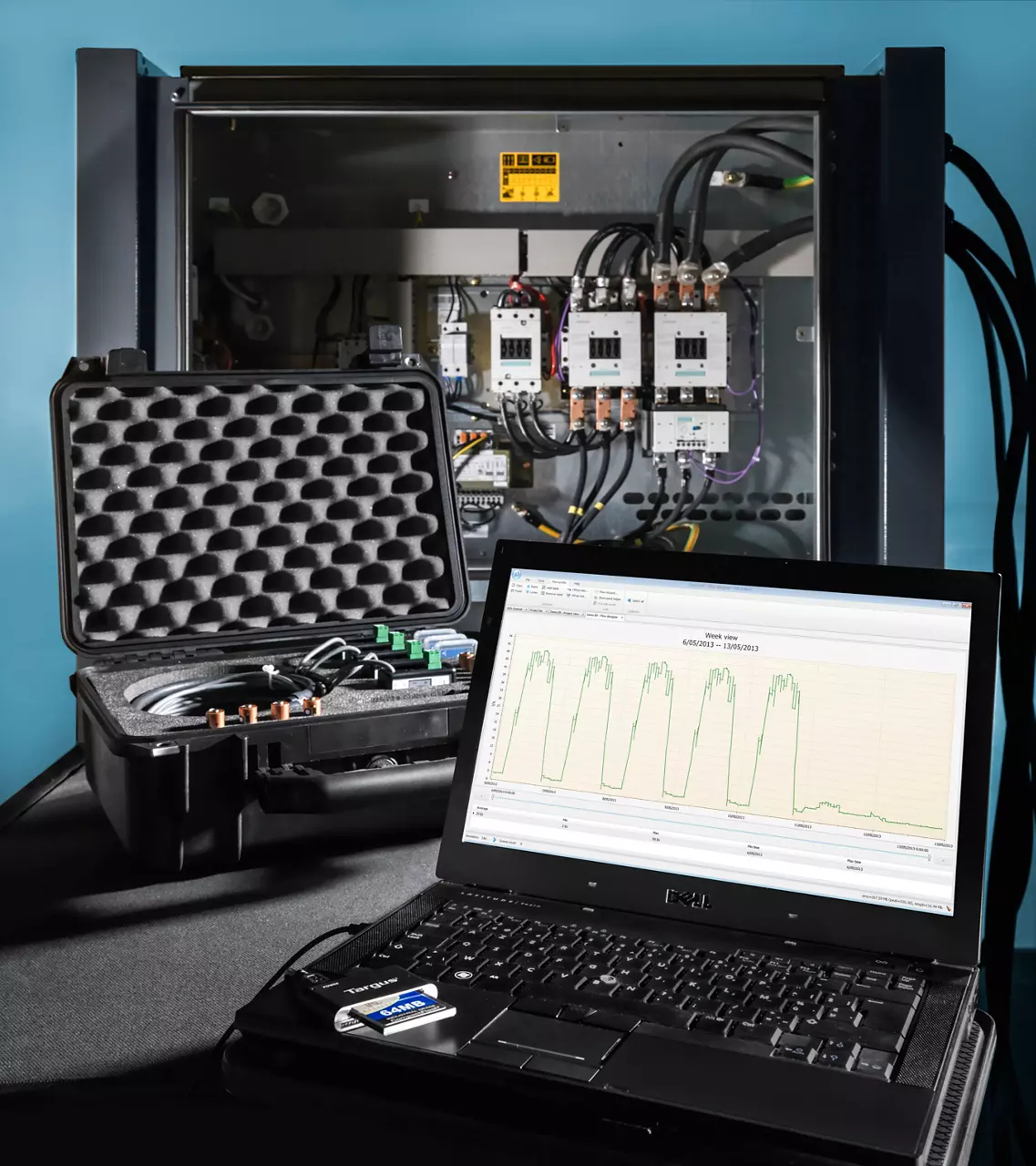
We use the latest technology to analyse your system and its performance. With flow meters, data logging, and ultrasonic leak detection, we find the precise points where your system costs you more than it should.
The result is an actionable air audit report detailing the remedial work we recommend and the associated costs. It enables you to prioritise your work and usually shows that the savings you receive will quickly cover the cost of the audit and the work we recommend.
What is included in the Air Audit Report?
A comprehensive report goes beyond simple leak tagging. It provides a roadmap for management to improve the bottom line. Your report will typically include:
- Data logging analysis of load/unload cycles.
- Energy baselines and specific power calculations.
- Identification of artificial demand.
- Recommendations for compressed air dryers and condensate management.
When is a compressed air audit worthwhile?
Unless we have just installed your compressor system, it might already be time for an energy audit, but there are a few signs to look out for.


Increased energy bills
If your bills have shot up, and there is no business reason, it could be because your compressor and other equipment must work harder to compensate for the energy loss elsewhere.

Loss of productivity
The pressure drop will reduce the power being delivered to tools and processes. That reduction might be small, but even a fractional loss can add up to a significant effect on your bottom line.

Equipment failures
If part of your compressed air system is not working well, it creates additional pressure elsewhere. Frequent failures in equipment can be the result, and resolving the underlying issue can fix it.
-

Increased energy bills
-
Loss of productivity
-
Equipment failures
Air Compressor Energy Audit Checklist
Before calling in the professionals, you can perform a preliminary check. Use this air compressor energy audit checklist to spot early warning signs:
- Walk the line: Can you hear audible hisses during a shift break when the plant is quiet?
- Check the drains: Are manual condensate drains left cracked open? This is a massive waste of compressed air.
- Review pressure settings: Is the system operating at a higher pressure than required for the end-use tools?
- Inspect the compressor room: Is the intake air clean and cool? Hot intake air reduces compressor energy efficiency.
- Examine the piping: Are there abandoned lines that are still pressurised?
How to calculate the energy consumption of an air compressor?
Understanding your baseline is key to measuring cost savings later. To roughly calculate the cost, use the following formula:
(Motor HP x 0.746 x Hours of Operation x Electricity Rate) / Motor Efficiency = Annual Cost
However, this assumes the machine is running at full load. Air audits use data loggers to determine the actual load profile, which provides a much more accurate figure than a theoretical calculation.
How to arrange an energy audit
Just call us today, and we can discuss the best way to conduct your audit to address the problems and system you have. The best news is that we can usually conduct an audit without impacting your operations, and you will be surprised how quickly we will help you reduce your costs.

Air Compressor Energy Audit Frequently Asked Questions
How often is an audit needed?
We recommend conducting an air audit at least annually. However, if you notice any difference in performance, it is worth arranging one as soon as possible.
How much do energy audits cost?
A common question is “How much does a compressed air audit cost?” We will quote based on the size and length of the required audit. Most customers find that the resulting cost savings quickly recoup the air compressor energy audit cost.
How long does an audit take?
This will depend on your operation. They can be just a few hours, but if you have a 24/7 operation, it can take over a week to allow us to log performance and get a complete system audit of your air energy use and loss.
Do compressors require statutory inspection?
Yes, under regulations like PSSR (Pressure Systems Safety Regulations), a Written Scheme of Examination is a legal requirement. While an energy audit focuses on efficiency, we can often advise on safety and compliance checks simultaneously to ensure your air system is both efficient and legal.

Arrange your Energy Audit
Contact us